
I spent a long arvo watching a Wollongong club floor, and the same mistake kept showing up at the tables. Players chase soft hands like they’re chasing a bonus round, then freeze on a hard sixteen. The maths is quieter than that. As a designer who has modelled paytables and skill-gaming loops for two decades, I treat basic strategy as a control layer, not a promise. The house still sets the pace, but a disciplined player can remove a chunk of silly errors from the session. That discipline starts with knowing blackjack when to hit or stand, and it is the part of the game I still benchmark against any new table product.
A Designer’s Read on the Decision Tree
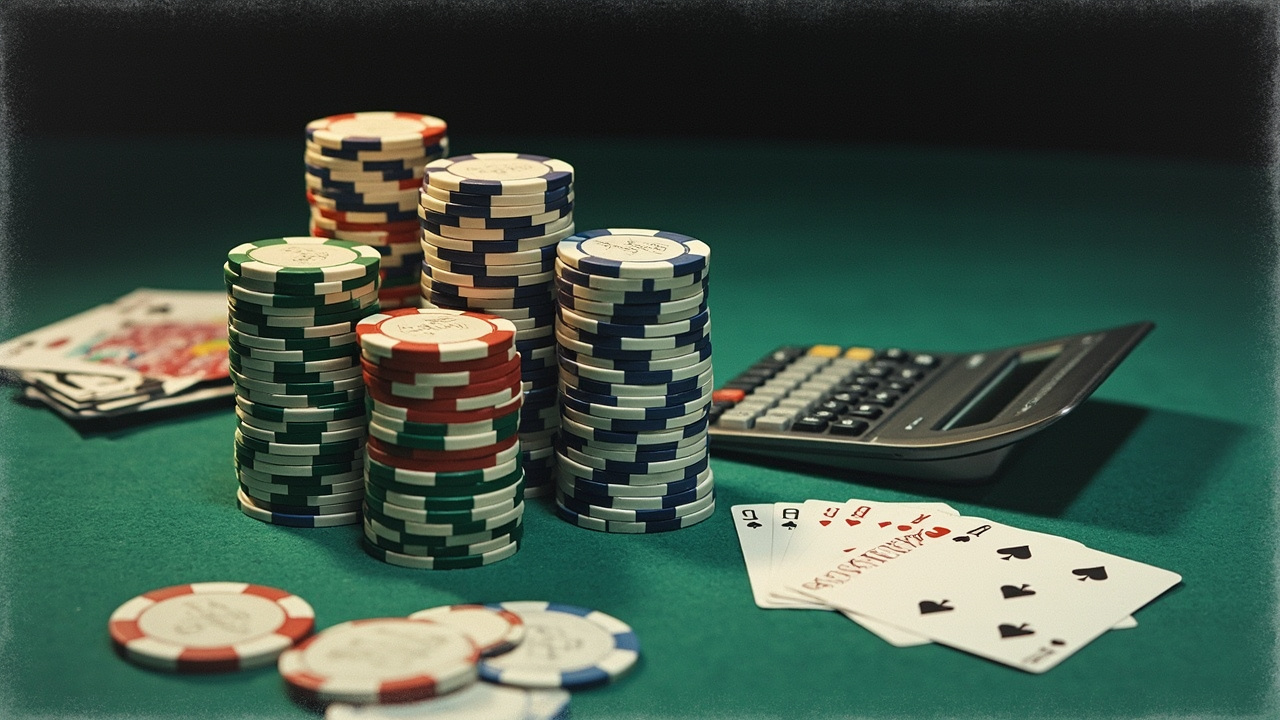
When I build a decision path, I want the player to feel the tension without feeling cheated by randomness. Basic strategy does exactly that for blackjack. You are not guessing; you are following a probability map that tells you when to draw, when to hold, and when to surrender if the rules allow it. I once patented a skill-based variant where timing mattered more than the cards, and the same principle applied: the best move is the one that minimises long-term loss, not the one that feels heroic in the moment. A hard twelve against a dealer six is a stand, because the dealer is likely to bust. A soft eighteen against a dealer nine is a hit, because you need to improve and the bust risk is low. Those calls are boring on paper, but they are what separate a measured session from a fast bleed.
For Australians playing in a licensed club or a properly regulated online room, the same chart applies, though the exact thresholds shift slightly with the number of decks and whether the dealer hits or stands on soft seventeen. I have sat through enough rule variations to know that a single change can nudge the house edge by a tenth of a percent or more, which is why I always check the table placard before I sit. If you want a clear reference point for where those rules are published and how they are presented, you can read the details on https://rocketplaybonus.org/ and compare the wording against the felt in front of you. The point is not to memorise every edge case on day one; it is to learn the common lines, then adjust for the local rule set instead of playing on instinct.
Reading the Hand, Not the Hunch
The most expensive habit I see is treating a hand as a story instead of a sum. A player with a hard fourteen against a dealer seven will sometimes hit because they “feel due,” and that is exactly the kind of narrative noise I try to remove from a game design. The chart says hit in that spot, because the dealer’s upcard is strong and your chance of busting immediately is lower than the chance of ending still behind. By contrast, a hard fourteen against a dealer four is a stand, because the dealer is vulnerable and you are not improving enough to justify the risk. I model these choices the same way I model a slot’s hit frequency: the player does not control the outcome, but they do control the decision quality, and that is where the edge lives.
Soft hands deserve their own discipline because the ace gives you a buffer. A soft sixteen against a dealer three is usually a hit, since you can only improve or stay level without busting. A soft eighteen against a dealer two is often a stand, because you are already in a decent position and the dealer is weak. I have watched experienced players second-guess these lines because the cards look unimpressive, but the maths does not care about drama. If you are playing where the rules are clearly displayed and the pace is steady, you can treat each decision as a small, repeatable choice rather than a high-stakes gamble. That mindset is what keeps a session readable, and it is also what makes the game worth returning to when the room is busy as a weekend club floor.
The Room, the Rules, and the Responsible Play Tools
A good blackjack environment is not just about the cards; it is about the controls around the table. In my experience, the rooms that respect the player are the ones that make the rules visible, keep the pace honest, and give you real account tools instead of buried menus. I look for clear licence details, straightforward security, and support that actually answers a question instead of sending you in circles. Responsible-play tools matter just as much, because a strategy chart only helps if you can set a limit and stick to it without wrestling the interface. I have seen products where the deposit control was three taps deep and the session timer was easy to miss; that is the kind of friction I flag when I assess a platform, because it quietly undermines the discipline the game itself asks for.
If you are weighing where to play, I want a setup that treats your data and your limits with the same care it treats the shuffle. Registration should be simple but not careless, payments should be listed in a currency you can actually read, and the mobile version should not hide the same controls that are on the desktop. Loyalty can be a nice extra, but it should never feel like a nudge to chase losses or extend a session you meant to end. The best rooms I have reviewed are the ones where the support team can explain a rule variation or a payment delay without sounding like they are reading from a script. That kind of clarity is what lets you focus on the decision in front of you instead of the mechanics around you.

| Detail | What to look for |
|---|---|
| Licence and rules | Visible licence info and a clear table placard |
| Support | Direct help that answers rule or payment questions |
| Account controls | Deposit limits, session tools, and easy logout |
| Payments | Local-friendly currency options and clear timing |
| Mobile | Same controls and rule display as the desktop view |
A Practical Verdict for Australian Players
My honest read is that blackjack rewards the player who treats the chart as a habit, not as a shortcut to a win. If you can learn the common hit and stand lines, adjust for the local rule set, and keep your session inside a limit you set before the first card, the game is worth playing for the discipline alone. If you prefer a table where the rules are clear, the support is reachable, and the account tools are actually usable, then you have a sensible fit. If you are the sort of player who wants a fast adrenaline loop and does not mind improvising, this is probably not your best use of an evening. For most adults 18+ who want a measured game with a real decision at every turn, basic strategy is the part worth learning first, and the room you choose should make that learning easier, not harder.